

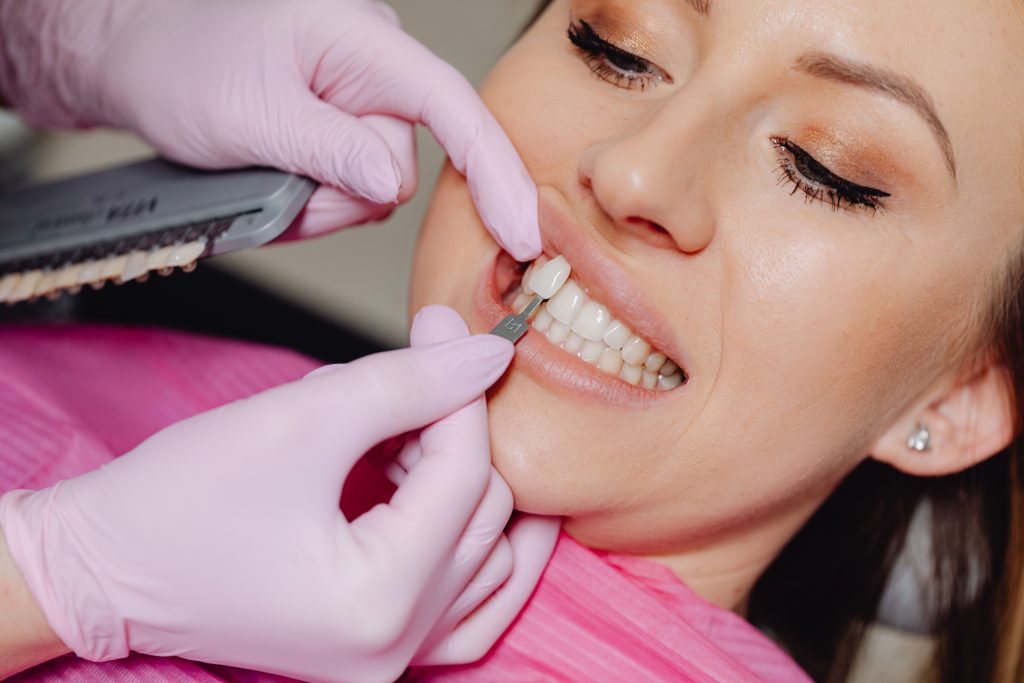
If you are struggling with dental damage, you are not alone; understanding your restorative options is the first step toward reclaiming your confidence and oral health. A heavily damaged smile can impact your ability to chew, speak comfortably, and smile with absolute confidence. Severe tooth decay, advanced wear, cracked enamel, and missing teeth require specialized dental treatments to restore full mouth function. Fortunately, modern cosmetic and restorative dental treatments can completely rebuild your dental health. Choosing the right path relies on understanding how various treatments fix specific dental structural problems.
Many people assume that severe dental damage requires removing all remaining teeth. Modern clinical dentistry focuses on conserving as much natural tooth structure as possible. Advanced bonding agents, high-strength ceramics, and durable titanium posts allow dental providers to save compromised teeth. Rebuilding your smile improves your facial shape and prevents surrounding teeth from shifting out of alignment.
Can Porcelain Veneers Fix Severely Cracked or Discolored Enamel?
Porcelain veneers consist of thin, custom-made ceramic shells that cover the front surfaces of your teeth. Dental professionals use these restorations to mask deep internal stains, close wide spaces, and correct minor tooth wear. The ceramic material mimics natural enamel light reflection, giving you a bright appearance.
Porcelain works exceptionally well for individuals who have healthy tooth roots but suffer from severe cosmetic surface issues. If you have deep cracks that do not compromise the core structure, veneers keep the tooth intact. The material provides high durability, allowing you to bite and chew standard foods normally. Practicing regular home hygiene keeps the surrounding gum tissue healthy and preserves the restoration for years.
How Do Custom Dental Crowns Protect Broken and Decayed Teeth?
A custom dental crown acts as a protective cap that covers a tooth down to the gumline. Dentists recommend crowns when a tooth suffers from extensive decay, deep fractures, or structural weakness after a root canal. The restoration shields the remaining structure from biting forces and restores original shape.
Placing a crown prevents a cracked tooth from splitting completely apart, saving you from an extraction. The treatment seals the inner chamber of the tooth from harmful bacteria, reducing the risk of deep infections. A well-fit crown restores your normal chewing balance, preventing muscle strain in your jaw joints. This structural support maintains your facial height and protects your overall bite alignment.
Are Dental Implants the Best Option for Replacing Missing Teeth?
Dental implants provide a permanent, self-supporting solution for replacing missing teeth without relying on surrounding structures. The treatment uses a small titanium post that acts as a substitute for a missing natural tooth root. Over several months, the jawbone fuses with the metal post through a biological process called osseointegration.
Implants function independently, meaning the dentist does not need to alter neighboring healthy teeth to support them. You can brush and floss around the implant exactly like a natural tooth, simplifying your daily home oral hygiene. The restoration cannot develop cavities, though keeping your gums healthy remains necessary to prevent localized inflammation. This long-lasting option helps maintain your natural facial contours and overall jaw structure.
Can Clear Aligners Straighten Crowded and Misaligned Teeth Safely?
Clear aligners offer a discreet method for correcting crowded, crooked, or poorly spaced teeth. The treatment uses a series of custom, thermoplastic trays that apply continuous, gentle pressure to shift teeth. This slow movement repositions your teeth into their proper locations over several months.
Using aligners allows you to maintain your normal diet since you remove the trays before eating meals. You do not have to worry about broken wires or loose metal brackets irritating your sensitive cheeks. The smooth plastic material fits closely over your teeth, making the treatment highly comfortable for daily wear. Keeping up with your scheduled tray changes helps achieve your desired alignment goals efficiently.
How Do Implant Dentures Fix Complete Tooth Loss Securely?
Implant-supported dentures combine dental implant technology with custom prosthetics to replace a full arch of missing teeth. Traditional dentures often slip out of place, cause painful gum sores, and require messy adhesive pastes. Secure implant dentures snap onto fixed titanium posts, completely removing the risk of accidental movement.
The dentist places two to four implants into the jawbone to serve as stable anchors for the denture. The bottom of the custom prosthetic features special attachments that click onto these implants. This secure connection holds the denture firmly in place, allowing you to speak clearly and eat tough foods. The system transfers chewing forces directly into the bone, helping maintain your jaw structure over time.
This treatment option works exceptionally well for individuals who struggle with loose, traditional full dentures. The secure fit eliminates the anxiety of your teeth shifting while speaking or laughing in public spaces. Because the denture does not rely on your gums for support, it prevents chronic irritation and painful sore spots. Maintaining the prosthetic involves snapping it off at night to clean the attachments and rinse your gums.
What Are the Advantages of Choosing All-on-4 Implants?

The All-on-4 treatment method provides a permanent, non-removable bridge to replace a full arch of missing teeth. This approach uses four strategically angled implants to maximize contact with the available jawbone structure. Tilting the rear implants at a 45-degree angle often removes the need for expensive bone grafting surgeries.
The All-on-4 system restores nearly all your natural chewing power, allowing you to eat a balanced, healthy diet. The prosthetic does not cover the roof of your mouth, preserving your normal ability to taste food and speak clearly. The streamlined design looks and feels like natural teeth, making it a highly reliable full-mouth replacement option. Regular brushing and routine professional cleanings keep the underlying tissue healthy for the long term.
When Do Partial Dentures Provide an Ideal Restoration Solution?
Partial dentures offer a removable option for replacing several missing teeth when you still have healthy natural teeth remaining. The prosthetic consists of custom replacement teeth attached to a natural-looking, gum-colored acrylic base. A metal or clear framework connects the appliance to your natural teeth, keeping it steady while you chew.
Modern partial dentures use lightweight, flexible materials that adapt well to the natural contours of your mouth. The clasps blend in with your surrounding teeth, making the appliance difficult for others to notice. You can remove the partial easily after meals to rinse away food debris and clean the underlying gums. This accessible option restores your chewing function while keeping your remaining natural teeth intact.
Why Are Tooth-Colored Fillings Preferred for Treating Cavities?
Modern tooth-colored fillings use a durable composite resin mixture to repair small cavities, minor chips, and surface cracks. Past silver amalgam fillings contained mercury and required removing large amounts of healthy tooth structure to stay in place. Composite fillings bond directly to your enamel, allowing the dentist to keep more of your natural tooth.
Composite fillings do not change color or darken over time like older metal options often do. The material handles normal chewing pressures well, making it suitable for both front and back teeth. Choosing composite resin helps preserve the structural strength of your tooth while maintaining a natural appearance. This simple procedure addresses minor decay before it turns into a large, costly structural problem.
Frequently Asked Questions
Can Cosmetic Dentistry Fix a Smile Damaged by Advanced Gum Disease?
Advanced gum disease must be treated and controlled before starting cosmetic or restorative procedures. Active infections cause bone loss and loosen teeth, which can cause cosmetic restorations like veneers or implants to fail. Once your gum tissue is completely healthy, your dentist can safely plan treatments to rebuild your smile.
How Long Do Modern Porcelain Veneers Last Before Needing Replacement?
Porcelain veneers typically last between 10 and 15 years when maintained with good home care and regular dental checkups. While the porcelain material resists stains and decay, the underlying natural tooth structure remains vulnerable to cavities. Avoiding habits like biting hard objects, chewing ice, or grinding your teeth helps maximize the lifespan of your veneers.
Is Bone Grafting Necessary Before Getting Dental Implants Placed?
Bone grafting is necessary if your jawbone lacks the depth or density required to hold a dental implant post securely. Bone loss occurs naturally after you lose teeth or suffer from long-term gum disease. A graft uses specialized material to rebuild the bone structure, creating a strong foundation for a successful implant.
What Is the Primary Difference Between a Dental Crown and a Veneer?
A dental crown covers the entire visible portion of a tooth down to the gumline to restore structural strength. A veneer only covers the front surface of the tooth and is used primarily to correct cosmetic imperfections. Dentists use crowns for heavily decayed or broken teeth, while veneers are reserved for healthy teeth with surface flaws.
How Should I Clean and Maintain an Implant-Supported Denture?
Removable implant dentures should be taken out daily, brushed with a soft brush, and soaked in a specialized cleaning solution overnight. You must also clean around the fixed implant posts in your mouth using a soft toothbrush to remove plaque. Keeping the attachments clean prevents tissue irritation and keeps the retention system snapping shut tightly.
Schedule Your Consultation Today
Rebuilding a heavily damaged smile requires customized dental care, modern materials, and advanced treatment planning. Addressing broken, decayed, or missing teeth preserves your long-term oral health and restores your ability to chew comfortably. Modern dentistry offers reliable, durable solutions tailored to your unique structural needs. At Torghele and Schmid Dental, we focus on helping patients restore their dental function and confidence. Contact us today to schedule your appointment and get the professional care you deserve.

MEET OUR OGDEN DENTAL TEAM!
Torghele Dentistry is a family-owned dental office conveniently located in Ogden, UT. We offer a broad range of dental services, from top-notch preventive care to advanced dental implants. Come see why we've been such an important part of the community for the past four decades!